

The P&C Insurance & AI Liability Guide: Navigating ISO Exclusions, Silent AI Risks, and Human-in-the-Loop Governance
Selling or deploying artificial intelligence in commercial operations is no longer just a technical question. It is an insurance and balance sheet crisis. With carriers attaching rigid endorsements like ISO CG 40 47 to exclude generative AI exposures, businesses deploying autonomous software face catastrophic coverage gaps unless protected by structured Human-in-the-Loop governance.
direct answer
Selling or deploying artificial intelligence in commercial operations is no longer just a technical question. It is an insurance and balance sheet crisis. With carriers attaching rigid endorsements like ISO CG 40 47 to exclude generative AI exposures, businesses deploying autonomous software face catastrophic coverage gaps unless protected by structured Human-in-the-Loop governance.
1. The 2026 Insurance Reality: Standard P&C Fails in an AI World
Commercial Property & Casualty (P&C) insurance was built for a physical, human-first world. When an algorithm causes financial damage, software hallucinates critical instructions, or an autonomous system fails, traditional policy forms routinely deny claims.
Carriers have rapidly codified the "AI Gap." Standard policies feature strict definitions of "bodily injury" and "property damage" that require physical destruction of tangible assets. Pure economic loss caused by flawed algorithmic outputs is entirely uncovered.
Furthermore, standard Technology Errors & Omissions (Tech E&O) and Professional Liability forms increasingly feature strict "human-in-the-loop" requirements. If an autonomous machine acted without licensed human sign-off, coverage is frequently voided.
- -Commercial General Liability (CGL) Gaps: Traditional CGL denies non-physical financial damages or automated algorithmic errors
- -Property Insurance Gaps: Standard property forms cover physical server racks, but exclude corrupted neural weights or multi-million dollar model recreation costs
- -Business Interruption (BI) Gaps: Standard BI policies require physical property damage, paying $0 for API system outages or algorithmic model collapse
- -E&O "Human-in-the-Loop" Traps: Professional liability policies deny coverage if advice or dispatch was executed autonomously without human review
2. The AI Risk & Exposure Taxonomy
To understand insurance vulnerability, operators must distinguish between Risk (the theoretical hazard) and Exposure (the quantifiable dollar amount at stake).
When a business introduces automated software into customer communications, dispatch routing, accounting, or compliance, exposure concentrates across four measurable pillars:
- -Financial Exposure: The percentage of daily revenue dependent on active API connections, plus the dollar cost to retrain poisoned models
- -The Vendor Indemnification Trap: SaaS vendor clickwrap contracts almost universally cap liability to fees paid in the prior 12 months, leaving the operator with 99% of the loss
- -Data & Volumetric Exposure: The risk of proprietary source code, client health records (PHI), or financial data leaking into public LLM training sets
- -Operational Exposure: The blast radius of automated decisions. A co-pilot with human review has low exposure; an unmonitored autonomous agent has catastrophic exposure
3. Civil vs. Criminal AI Liability: Where Legal Blame Lands
When an algorithm fails, legal blame splits across several distinct liability frameworks. While civil liability can be insured through specialty endorsements and affirmative policies, criminal liability cannot.
Under the doctrine of respondeat superior, courts are treating autonomous software agents as digital employees. If your automated sales bot makes fraudulent claims or your dispatch bot violates statutory labor rules, the corporate entity holds direct vicarious liability.
Furthermore, corporate directors and officers (D&O) face personal liability for "failure to supervise" if an enterprise deploys un-audited algorithmic models that result in regulatory fines under the FTC or EU AI Act.
- -Product Liability: Falls on the AI software developer for inherently defective model weights or hallucinated code
- -Professional Liability: Falls on the business using the AI tool for failing professional duty of care to clients
- -Vicarious Liability: The employer corporation is legally responsible for the automated promises and actions of its AI agents
- -Fiduciary / D&O Liability: Personal liability for corporate officers who fail to enforce algorithmic governance and testing safeguards
4. The Solution: Why Human + Machine Staffing Satisfies Underwriters
Carriers, surplus lines syndicates, and Lloyd's coverholders do not write policies for blind automation. Underwriters demand proof of human oversight, robust data validation, and strict error checkpoints.
This is why Jo's workforce architecture is explicitly designed around the "Human + Machine" paradigm. Machines carry the 85% procedural execution burden — data synchronization, quote drafting, schedule routing — but licensed human gatekeepers provide the 15% judgment, sign-off, and legal accountability.
By preserving the human in the loop, companies maintain full insurability under traditional P&C policies, avoid ISO exclusion triggers, and protect their operating margins without taking on uninsurable algorithmic risk.
repost & newsletter
Share this framework or read on Substack
Republish these takeaways to your network or subscribe to get our weekly operating playbooks.
faq
Common questions
What is silent AI in commercial insurance?
Silent AI refers to standard commercial policies that neither explicitly include nor exclude AI claims, creating ambiguous coverage that often results in denial of claims during litigation.
Does cyber insurance cover AI hallucinations?
No. Cyber insurance covers external malicious attacks like hacking and ransomware. It does not cover internal software errors, hallucinations, or algorithmic financial losses.
How does Human + Machine staffing solve the AI insurance problem?
Jo ensures every critical automated output is reviewed and validated by human operators, fulfilling the "human-in-the-loop" requirement that traditional P&C and E&O carriers require.

healthcare
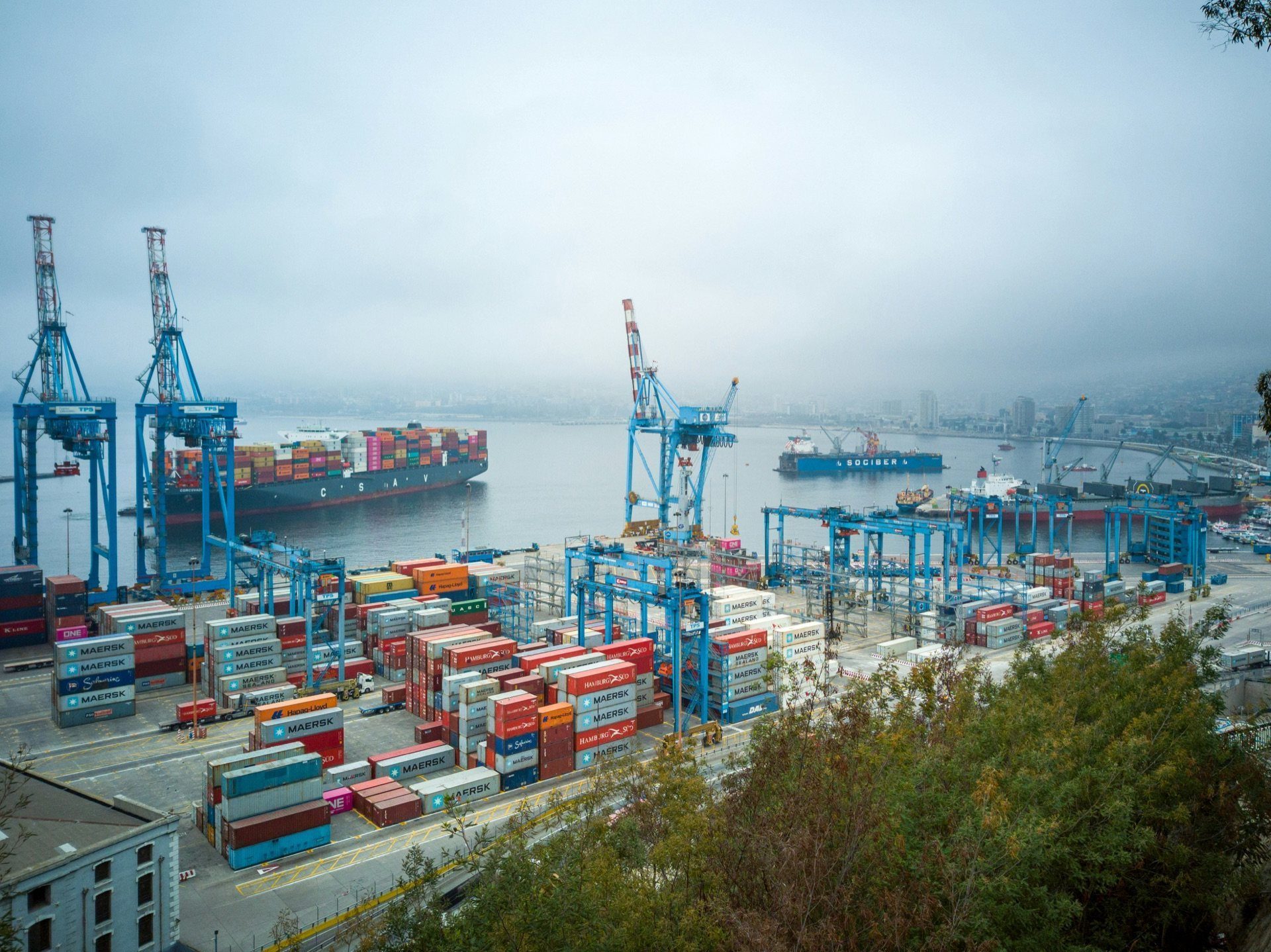
Healthcare labor bottlenecks are intensified by an aging population, persistent nursing and support-role shortages, and long training pipelines for clinical and technical roles. The constraint is not just volume. It is the wrong mix of skilled capacity at the exact moment patient demand keeps rising.
energy
Energy labor bottlenecks sit between retirements in traditional trades and fast-growing demand from renewables, grid expansion, data-center power, and electrification. Utilities and field operations need more skilled workers while experienced staff leave the workforce.
manufacturing
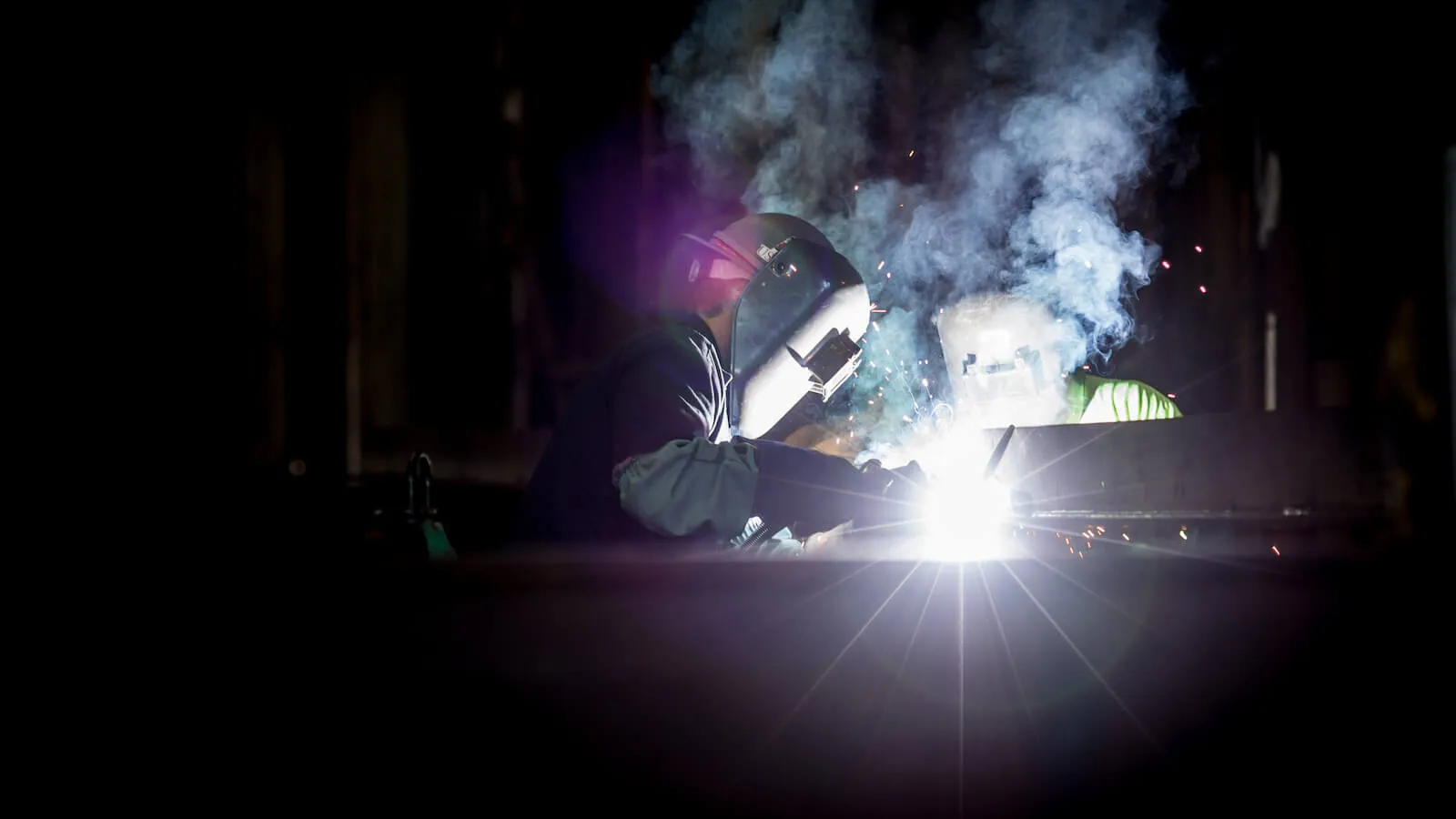
Manufacturing labor bottlenecks come from retirements, reshoring demand, smart manufacturing technology, and a widening skills gap. The issue is not only not enough people. It is training, attraction, and workforce design lagging behind what modern production now requires.
next step
Map the bottleneck inside your operation.
Start with the LaborMap™ diagnostic.
Start LaborMap™ Audit