
Human + Machine Staffing vs Traditional Staffing
Traditional staffing fills roles. Human + Machine staffing fixes the work mix behind the role. The difference matters when the problem is not just a vacant seat, but a labor bottleneck caused by repeated tasks, poor handoffs, coverage gaps, or work that should be carried by a different resource.
direct answer
Traditional staffing fills roles. Human + Machine staffing fixes the work mix behind the role. The difference matters when the problem is not just a vacant seat, but a labor bottleneck caused by repeated tasks, poor handoffs, coverage gaps, or work that should be carried by a different resource.
When traditional staffing works
Traditional staffing is useful when the need is clear: a role is open, the work belongs with a person, and the organization needs qualified coverage. That model still matters. Many operating problems do require human capacity, accountability, and relationship context.
The limitation is that traditional staffing can miss the work design question. If a role is overloaded because it contains too much repeated execution, adding another person may help temporarily while leaving the bottleneck intact.
When Human + Machine staffing fits better
Human + Machine staffing fits when leaders need to redesign how work gets done. It starts with LaborMap, identifies bottlenecks, and separates tasks that require human judgment from tasks that can move into machine execution under accountable oversight.
This model is especially useful in regulated, process-heavy, or margin-sensitive operations where leaders need better throughput without losing quality, compliance, or customer trust.
The practical difference for operators
The practical difference is the unit of analysis. Traditional staffing asks who should fill the role. Human + Machine staffing asks what work needs to be done, which resource should carry each task, and what outcome the operating model should recover.
That shift helps CFOs, COOs, and department leaders connect staffing decisions to margin recovery, cycle time, coverage, and measurable operational value.
faq
Common questions
What is Human + Machine staffing?
Human + Machine staffing is a workforce model that combines human judgment with machine execution to remove labor bottlenecks and improve operating results.
How is it different from traditional staffing?
Traditional staffing fills roles. Human + Machine staffing maps the work first, then decides which tasks need human staffing, machine execution, or a managed mix.
Who is Human + Machine staffing for?
It is built for operators, CFOs, COOs, and department leaders who need to recover margin, improve coverage, and reduce labor bottlenecks without weakening accountable work.

healthcare
Healthcare labor bottlenecks are intensified by an aging population, persistent nursing and support-role shortages, and long training pipelines for clinical and technical roles. The constraint is not just volume. It is the wrong mix of skilled capacity at the exact moment patient demand keeps rising.
energy
Energy labor bottlenecks sit between retirements in traditional trades and fast-growing demand from renewables, grid expansion, data-center power, and electrification. Utilities and field operations need more skilled workers while experienced staff leave the workforce.
manufacturing
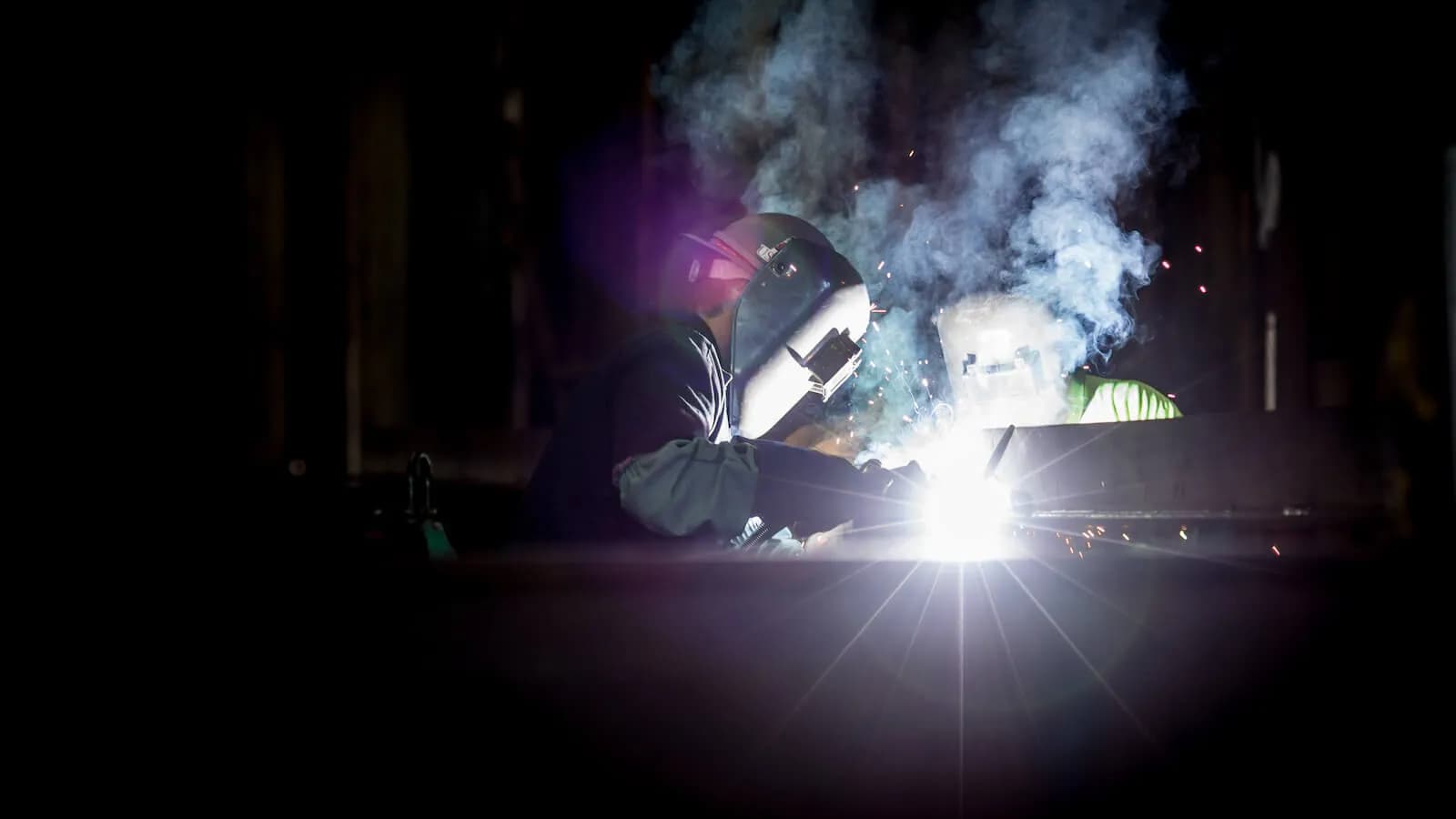
Manufacturing labor bottlenecks come from retirements, reshoring demand, smart manufacturing technology, and a widening skills gap. The issue is not only not enough people. It is training, attraction, and workforce design lagging behind what modern production now requires.
next step
Map the bottleneck inside your operation.
Start with the LaborMap™ diagnostic.
Start LaborMap™ Audit