

Human vs Machine Task Analysis
Human vs machine task analysis is the process of breaking a role into specific tasks and deciding which tasks require human judgment, answerability, relationship context, or exception handling. It helps leaders move repeated execution away from overloaded teams while keeping accountable work with people.
direct answer
Human vs machine task analysis is the process of breaking a role into specific tasks and deciding which tasks require human judgment, answerability, relationship context, or exception handling. It helps leaders move repeated execution away from overloaded teams while keeping accountable work with people.
Start with tasks, not titles
A job title is too broad to make a workforce design decision. The same role can contain strategic judgment, customer communication, evidence gathering, data cleanup, follow-up, scheduling, reporting, and exception review. Each task has a different staffing answer.
Task analysis creates a clean inventory of what the role actually does. Once the work is visible, leaders can decide what should stay with a human worker, what can move to machine execution, and what needs a managed handoff between both.
Signals that work should stay human
Work should stay human when the outcome requires judgment, accountability, relationship management, negotiation, ethics, compliance interpretation, or cross-functional influence. These are the moments where a person needs to understand context and answer for the decision.
Human work is not only high-level strategy. It also includes sensitive customer moments, employee conversations, quality decisions, and edge cases where the wrong response creates risk.
- -The task changes based on context or risk
- -The outcome requires ownership or sign-off
- -The work involves customers, employees, regulators, or partners
- -The decision affects quality, compliance, margin, or trust
Signals that work fits machine execution
Work is a candidate for machine execution when it is repeated, structured, rules-based, measurable, and easy to review. These tasks often create hidden labor cost because they interrupt higher-value work throughout the day.
The best results usually come from pairing machine execution with human oversight. The machine handles throughput. The human owns judgment, review, and exception handling.
faq
Common questions
What is workforce task analysis?
Workforce task analysis breaks a role into specific work activities so leaders can decide which tasks require human judgment and which tasks fit machine execution.
Why not analyze the whole job at once?
Whole-job analysis hides the real work mix. A single role often contains tasks that need different staffing answers.
What is the goal of Human + Machine task analysis?
The goal is to recover capacity, reduce drag, and keep human workers focused on work that needs judgment, answerability, and relationship context.

healthcare
Healthcare labor bottlenecks are intensified by an aging population, persistent nursing and support-role shortages, and long training pipelines for clinical and technical roles. The constraint is not just volume. It is the wrong mix of skilled capacity at the exact moment patient demand keeps rising.
energy
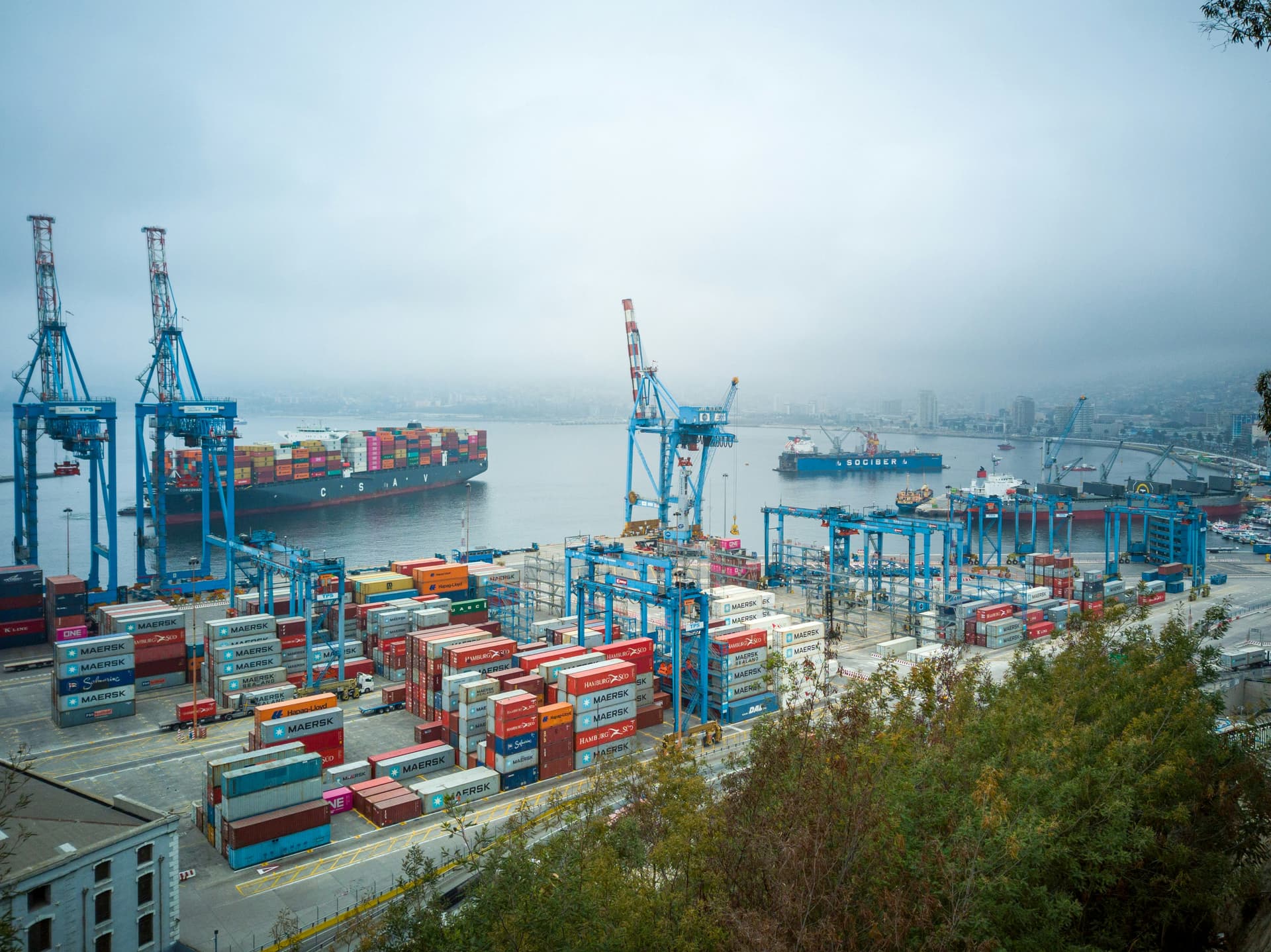
Energy labor bottlenecks sit between retirements in traditional trades and fast-growing demand from renewables, grid expansion, data-center power, and electrification. Utilities and field operations need more skilled workers while experienced staff leave the workforce.
manufacturing
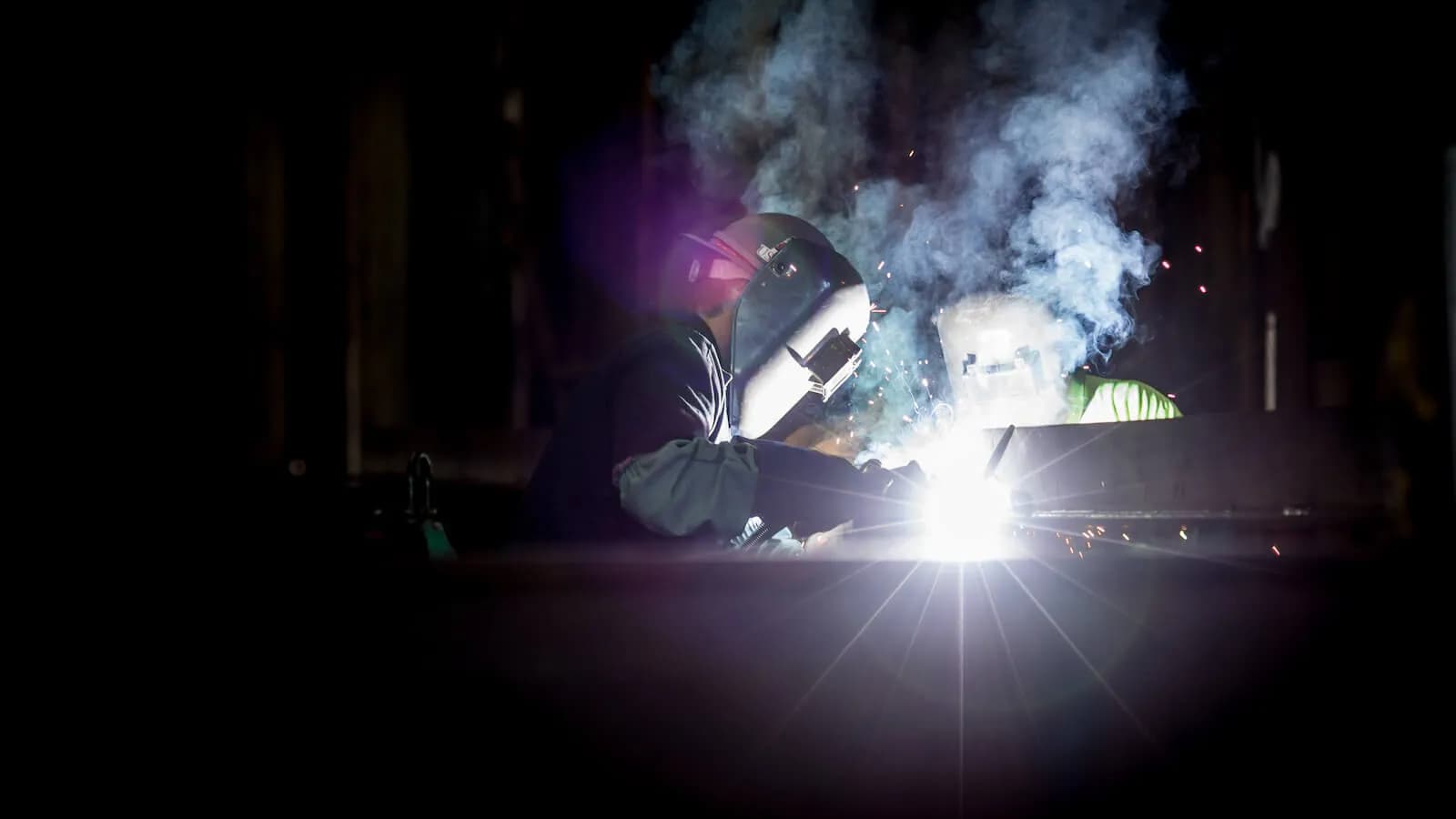
Manufacturing labor bottlenecks come from retirements, reshoring demand, smart manufacturing technology, and a widening skills gap. The issue is not only not enough people. It is training, attraction, and workforce design lagging behind what modern production now requires.
next step
Map the bottleneck inside your operation.
Start with the LaborMap™ diagnostic.
Start LaborMap™ Audit